Are you noticing subtle changes in your skin, hair, or joints?
As we gracefully age, one of the most significant shifts happening within our bodies is the gradual decline of collagen. This essential protein, the most abundant in our bodies, acts as the foundational scaffolding for our skin, bones, muscles, tendons, and ligaments. It's what keeps our skin firm, our joints flexible, and our hair strong.
However, from our mid-20s, our body's natural collagen production begins to slow, leading to what many refer to as collagen deficiency. This isn't just a cosmetic concern; it impacts overall well-being. The good news is that by understanding the science and embracing targeted natural strategies, we can significantly support and even enhance our body's collagen levels, restoring vitality and promoting a more youthful appearance.
Understanding Collagen: The Body's Master Builder
Before we delve into improvement strategies, let's briefly grasp what collagen is and why it's so vital for our health and appearance.
Collagen is a complex structural protein that plays a crucial role in maintaining the integrity and elasticity of various tissues throughout the body. Think of it as the 'glue' that holds everything together. It's primarily found in connective tissues, providing strength and flexibility. There are at least 28 different types of collagen, but types I, II, and III are the most abundant and well-known, each serving distinct functions:
- Type I Collagen: The most prevalent type, found in skin, tendons, vascular ligature, organs, and bone. It's essential for skin elasticity and strength, bone health, and wound healing.
- Type II Collagen: Primarily found in cartilage, this type is crucial for joint health and flexibility, providing cushioning and support.
- Type III Collagen: Often found alongside Type I, it's abundant in skin, muscles, and blood vessels, contributing to the elasticity and firmness of these tissues.
As we age, our body's ability to produce new collagen diminishes, and existing collagen can become damaged. This natural process is exacerbated by environmental factors and lifestyle choices, leading to a state of collagen deficiency, which manifests in various noticeable ways.
💡 Key Takeaway
Collagen is the body's most abundant protein, vital for skin, joints, and connective tissues. Its natural decline after age 25 leads to visible signs of aging and potential discomfort, making active support crucial for overall health.
Signs of Collagen Deficiency: What to Look For
Recognizing the signs of declining collagen is the first step towards addressing it. These indicators often appear gradually and can affect various parts of your body.
The most common and often first noticed signs of collagen deficiency are dermatological. You might observe an increase in fine lines and wrinkles, particularly around the eyes and mouth. Your skin may start to feel less firm, losing its natural bounce and appearing more saggy, especially in areas like the cheeks, jawline, and neck. This loss of elasticity is a direct result of weakened collagen fibers. Additionally, skin might become drier and less hydrated, as collagen also plays a role in maintaining moisture.
Beyond skin, collagen's role in hair and nails is significant. If you're experiencing brittle nails that break easily, or hair that seems thinner, duller, or prone to breakage, reduced collagen could be a contributing factor. Collagen provides the amino acids necessary for keratin production, which is the main component of hair and nails.
Perhaps one of the most impactful signs, especially as we age, is the effect on our joints. Collagen is a major component of cartilage, which cushions our joints. A reduction in collagen can lead to joint stiffness, discomfort, and reduced mobility. You might feel more aches and pains after physical activity, or simply upon waking up in the morning. This can significantly impact your quality of life and ability to engage in daily activities.
Other less obvious signs include a slower wound healing process, as collagen is crucial for tissue repair, and even a weakening of muscles and tendons over time. While these symptoms can be attributed to various factors, a consistent pattern often points towards the need for better collagen support.
Natural Ways to Boost Your Body's Collagen Production
The good news is that your body is designed to produce collagen, and with the right support, you can significantly enhance its natural synthesis. Here are several effective, natural strategies:
Optimize Your Diet with Collagen-Boosting Nutrients
What you eat directly impacts your body's ability to produce collagen. Focus on foods rich in Vitamin C, which is absolutely essential for collagen synthesis – think citrus fruits, berries, bell peppers, and leafy greens. Zinc and copper are also vital cofactors; find them in nuts, seeds, legumes, and shellfish. Additionally, consume plenty of protein sources rich in amino acids like proline, glycine, and hydroxyproline, such as lean meats, eggs, dairy, and bone broth.
Protect Against Collagen Degradation (Sun & Sugar)
While boosting collagen is important, preventing its breakdown is equally critical. Excessive sun exposure (UV radiation) is a primary culprit, breaking down collagen fibers and impeding new production. Always wear broad-spectrum sunscreen, even on cloudy days. Another major factor is high sugar intake, which leads to advanced glycation end products (AGEs) that stiffen collagen fibers, making them brittle and less elastic. Reducing processed sugars is paramount.
Prioritize Sleep and Stress Management
Your body repairs and regenerates itself most effectively during sleep. Chronic sleep deprivation elevates cortisol levels, a stress hormone that can degrade collagen. Aim for 7-9 hours of quality sleep per night. Similarly, chronic stress also keeps cortisol levels high, contributing to collagen breakdown. Incorporate stress-reduction techniques like meditation, yoga, or deep breathing into your daily routine.
Stay Hydrated and Exercise Regularly
Water is fundamental for overall skin health and the proper functioning of all bodily systems, including collagen production. Aim for at least 8 glasses of water daily. Regular exercise, particularly resistance training, can stimulate growth hormone production, which in turn supports collagen synthesis and helps maintain muscle mass, indirectly benefiting connective tissues.
Consider Targeted Skincare and Gentle Practices
Topical retinoids (Vitamin A derivatives) are scientifically proven to stimulate collagen production in the skin. Vitamin C serums also offer antioxidant protection and directly aid collagen synthesis. Avoid harsh scrubbing or excessive pulling on your skin, which can damage delicate collagen fibers. Gentle massage can also help stimulate blood flow and nutrient delivery to skin cells.
The Role of Key Nutrients in Collagen Synthesis
To truly optimize natural collagen support, it's vital to understand the specific nutrients that act as co-factors and building blocks in this complex process.
Beyond the general dietary advice, certain vitamins, minerals, and amino acids are non-negotiable for collagen production. Vitamin C, for instance, is not just an antioxidant; it's a critical co-factor for the enzymes (prolyl hydroxylase and lysyl hydroxylase) that stabilize and cross-link collagen fibers. Without adequate Vitamin C, your body cannot form the stable triple-helix structure of collagen, leading to weak and ineffective collagen. This is why scurvy, a severe Vitamin C deficiency, results in compromised connective tissues.
Another crucial player is Zinc. This trace mineral is involved in various enzymatic reactions, including those necessary for collagen synthesis and repair. It also plays a role in wound healing and immune function, both of which are closely tied to healthy collagen levels. Similarly, Copper is essential for the enzyme lysyl oxidase, which is responsible for cross-linking collagen and elastin, providing strength and elasticity to connective tissues.
The amino acids Glycine, Proline, and Hydroxyproline are the primary building blocks of collagen. Glycine makes up about one-third of collagen's amino acid profile, giving it its unique structure. Proline and hydroxyproline are also abundant and critical for forming the stable collagen helix. While your body can synthesize some of these, ensuring a steady dietary intake, especially as you age, is beneficial.
Lastly, Hyaluronic Acid, while not a direct component of collagen, often works in synergy. It's a powerful humectant, meaning it attracts and holds water, keeping tissues hydrated and plump. Well-hydrated tissues are better able to support collagen and elastin, contributing to skin's elasticity and joint lubrication. Some research suggests hyaluronic acid can also help stimulate collagen production indirectly by creating a favorable environment for fibroblasts.
By focusing on these specific nutrients through a balanced diet, you provide your body with the fundamental tools it needs to maintain and rebuild its collagen stores naturally. For those looking for an extra boost in their quest for optimal collagen, you might also consider exploring the best collagen support supplement options available to complement these natural strategies.
When Natural Methods Need a Helping Hand: Introducing Triple Collagen
While diet, lifestyle, and sun protection form the bedrock of natural collagen support, sometimes our bodies need an extra boost to counteract years of depletion or accelerate results. This is where a targeted, natural supplement can play a vital role.
Addressing Collagen Deficiency
For individuals experiencing significant signs of collagen deficiency, such as pronounced wrinkles, joint discomfort, or brittle hair, dietary changes alone might take longer to show substantial improvement. A high-quality supplement can provide a concentrated source of collagen-building blocks.
Enhancing Bioavailability
Many natural collagen sources from food are large molecules that are difficult for the body to absorb efficiently. Supplements often use hydrolyzed collagen peptides, which are broken down into smaller, more bioavailable forms that the body can easily utilize to stimulate its own collagen production.
Synergistic Ingredients
Effective collagen supplements don't just provide collagen; they often combine it with other key nutrients like Vitamin C, Hyaluronic Acid, and other antioxidants. These ingredients work synergistically to not only provide collagen but also to support the body's natural synthesis processes and protect existing collagen from damage.
Targeted Support
Whether you're primarily concerned with collagen supplement for sagging skin, joint health, or overall anti-aging, a well-formulated supplement can offer targeted support. It provides a consistent, measured dose of beneficial compounds that might be difficult to achieve solely through diet.
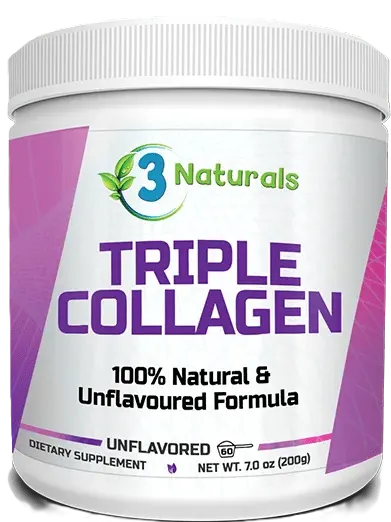
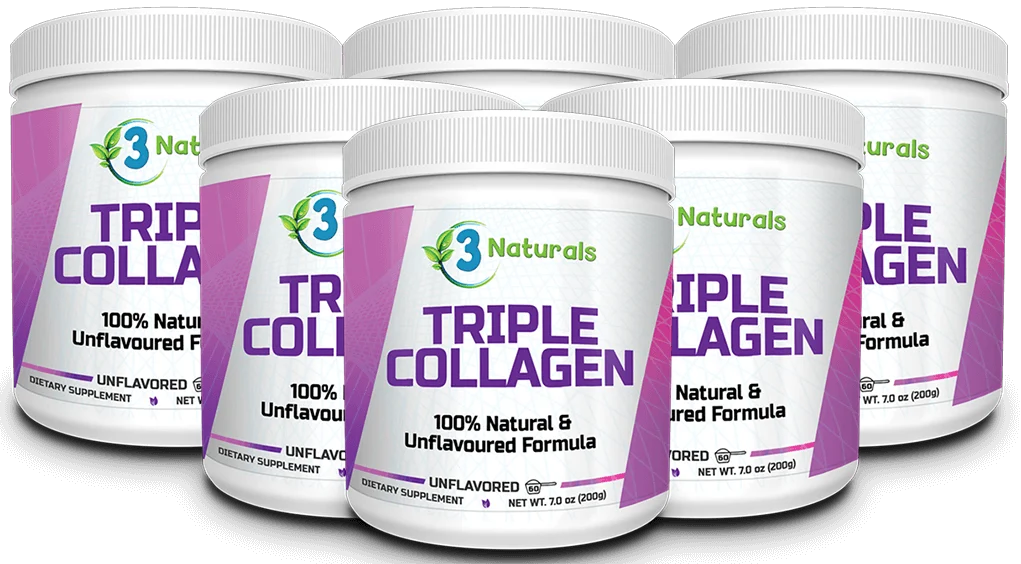
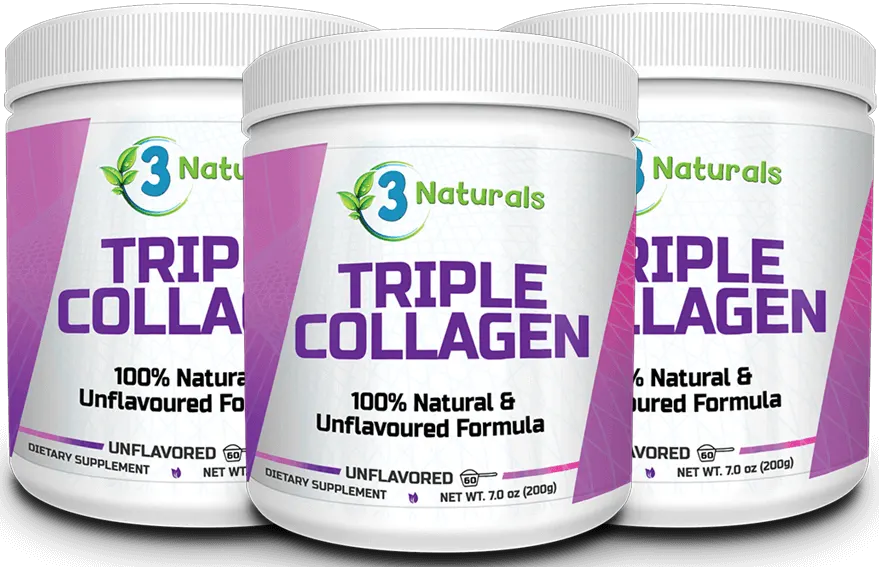
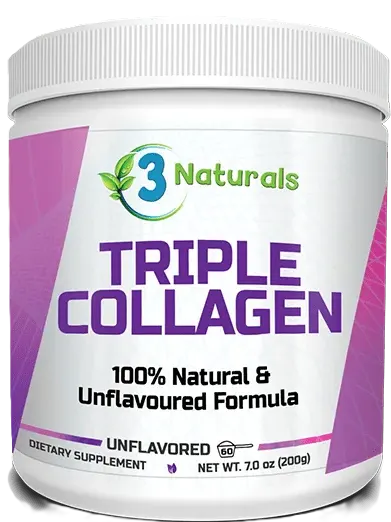
One such solution designed to complement your natural efforts is Triple Collagen. This supplement is formulated to provide comprehensive support for your body's collagen needs, leveraging a blend of potent, natural ingredients.
Triple Collagen: Key Ingredients for Enhanced Natural Support
Triple Collagen's effectiveness lies in its carefully selected, high-quality ingredients, each playing a vital role in supporting and enhancing your body's natural collagen production and overall tissue health. As per instructions, no ingredient images are available, so we present them in a text-only card grid for clarity.
Marine Collagen Peptides (Type I & III)
Role: These hydrolyzed peptides are highly bioavailable, meaning they are easily absorbed by the body. They provide the fundamental amino acid building blocks (glycine, proline, hydroxyproline) that your body needs to synthesize its own collagen. Marine collagen is particularly rich in Type I and III collagen, crucial for skin elasticity, hydration, and overall skin structure, as well as connective tissues.
Hyaluronic Acid
Role: A powerful humectant naturally found in the skin and connective tissues. Hyaluronic acid attracts and holds up to 1,000 times its weight in water, providing intense hydration to the skin, making it appear plumper and smoother. It also lubricates joints, improving flexibility and reducing discomfort. By maintaining optimal hydration, it creates a healthier environment for collagen and elastin fibers.
Vitamin C (as Ascorbic Acid)
Role: An absolute essential for collagen synthesis. Vitamin C is a critical co-factor for the enzymes involved in cross-linking collagen fibers, ensuring they form a stable, strong structure. It's also a potent antioxidant, protecting existing collagen from damage caused by free radicals and environmental stressors like UV radiation and pollution.
MSM (Methylsulfonylmethane)
Role: An organic sulfur compound found naturally in some foods. MSM is known for its anti-inflammatory properties and its role in forming connective tissues. Sulfur is a key component of collagen and keratin, making MSM beneficial for maintaining healthy skin, hair, and nails, and supporting joint comfort and flexibility.
Chondroitin Sulfate
Role: A major component of cartilage, the connective tissue that cushions your joints. Chondroitin sulfate helps maintain the structural integrity of cartilage by attracting water and nutrients, which is vital for its elasticity and shock-absorbing properties. It works synergistically with collagen to support joint health and mobility.
Glucosamine Sulfate
Role: Another natural compound found in healthy cartilage. Glucosamine sulfate is a precursor to glycosaminoglycans, which are important components of cartilage. It helps in the formation and repair of cartilage, supporting joint structure and reducing friction, making it an excellent partner to collagen for comprehensive joint health.
Horsetail Extract (Silica)
Role: Rich in natural silica, a trace mineral that plays a role in the formation of collagen and elastin. Silica helps strengthen connective tissues, improving skin elasticity, hair strength, and nail resilience. It's considered a beauty mineral that helps the body produce and maintain its own collagen more effectively.
Resveratrol
Role: A powerful antioxidant found in grapes and berries. Resveratrol helps protect collagen and elastin fibers from oxidative stress and damage caused by free radicals. It also supports cellular health and can contribute to overall skin vitality and a more youthful appearance.
Alpha Lipoic Acid (ALA)
Role: A potent antioxidant that is both water and fat-soluble, allowing it to work throughout the body. ALA helps protect cells from oxidative damage, which can otherwise break down collagen. It also assists in regenerating other antioxidants like Vitamin C and E, further enhancing cellular protection and supporting healthy skin.
This comprehensive blend ensures that Triple Collagen not only provides the raw materials for collagen but also supports the intricate processes required for its natural synthesis, protection, and overall bodily integration. It's a holistic approach to tackling collagen deficiency and promoting vibrant health.
For more detailed information on specific formulations, you might find our article on best collagen for wrinkles and joints to be a useful resource.
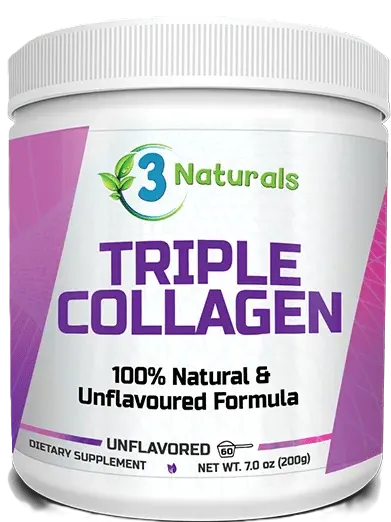
Ready to Reclaim Your Youthful Vitality?
Don't let declining collagen dictate how you look and feel. Triple Collagen offers a powerful, natural solution to support your body's collagen production from within, helping you rediscover firmer skin, stronger hair, flexible joints, and renewed confidence.
- ✓ Supports natural collagen synthesis
- ✓ Reduces appearance of fine lines & wrinkles
- ✓ Promotes healthy, flexible joints
- ✓ Strengthens hair & nails
- ✓ 100% natural, non-GMO ingredients



Hear From Our Satisfied Customers
"I was skeptical at first, but after 8 weeks, my skin feels noticeably firmer and smoother. The fine lines around my eyes are definitely less prominent. I also feel less stiffness in my knees after my morning walk. Triple Collagen has been a game-changer for me!"
"My hair used to be so brittle and my nails peeled constantly. Since starting Triple Collagen a few months ago, I've seen a dramatic improvement. My hair is shinier and stronger, and my nails rarely break now. It's incredible how much of a difference it makes."
"I've tried other collagen products, but Triple Collagen truly stands out. The combination of ingredients seems to work wonders for my joints. I can move with much more ease, and the discomfort I used to feel is significantly reduced. Highly recommend for anyone dealing with age-related aches!"
Frequently Asked Questions
What are the most effective natural ways to boost collagen?
+The most effective natural ways include consuming a diet rich in vitamin C, zinc, copper, and amino acids (found in bone broth, lean proteins, fruits, and vegetables). Limiting sugar intake, protecting skin from UV radiation, getting adequate sleep, and managing stress are also crucial for maintaining natural collagen levels.
How long does it take to see results from natural collagen support methods?
+Results vary widely depending on individual factors, lifestyle consistency, and the extent of collagen depletion. Typically, visible improvements in skin elasticity, joint comfort, and hair strength may take anywhere from 8 to 12 weeks of consistent effort with diet and lifestyle changes. Supplementation can sometimes accelerate these results.
Can collagen supplements truly help improve natural collagen production?
+While collagen supplements directly provide hydrolyzed collagen peptides, which are easily absorbed, their primary role is to supply the body with the building blocks it needs. Studies suggest these peptides can stimulate the body's own fibroblasts to produce more collagen, effectively supporting natural synthesis when combined with a healthy lifestyle.
Are there any dietary restrictions or recommendations for collagen deficiency?
+For collagen deficiency, it's recommended to reduce intake of processed foods, excessive sugar, and refined carbohydrates, as these can accelerate collagen degradation. Focus on a diet rich in antioxidants, healthy fats, and collagen-boosting nutrients like vitamin C (citrus, berries), zinc (nuts, seeds), and copper (legumes, shellfish).
What are the common signs of collagen deficiency?
+Common signs of collagen deficiency include increased skin wrinkles, fine lines, and sagging, reduced skin elasticity, brittle hair and nails, joint stiffness or discomfort, and a slower healing process for wounds. These symptoms typically become more noticeable with age as natural collagen production declines.
How does Triple Collagen support natural collagen improvement?
+Triple Collagen is formulated with a blend of marine collagen, hyaluronic acid, and vitamin C, along with other synergistic ingredients. This combination provides readily available collagen peptides, supports hydration, and supplies essential cofactors necessary for the body's own natural collagen synthesis, helping to restore and maintain optimal levels.
Related Articles